

Description
Product details
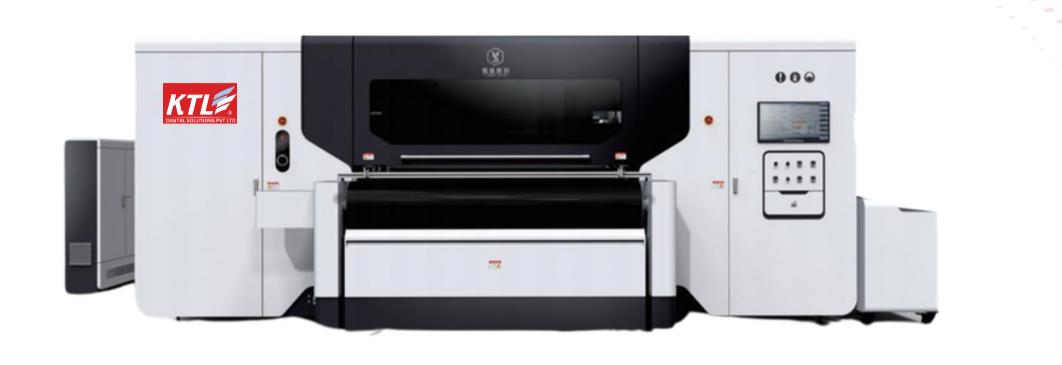
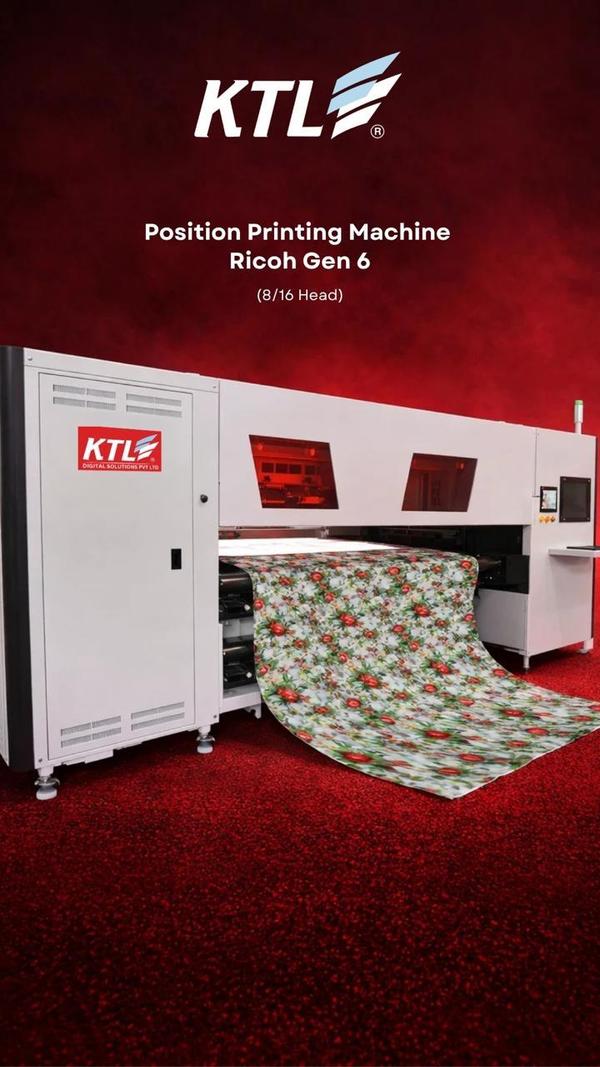
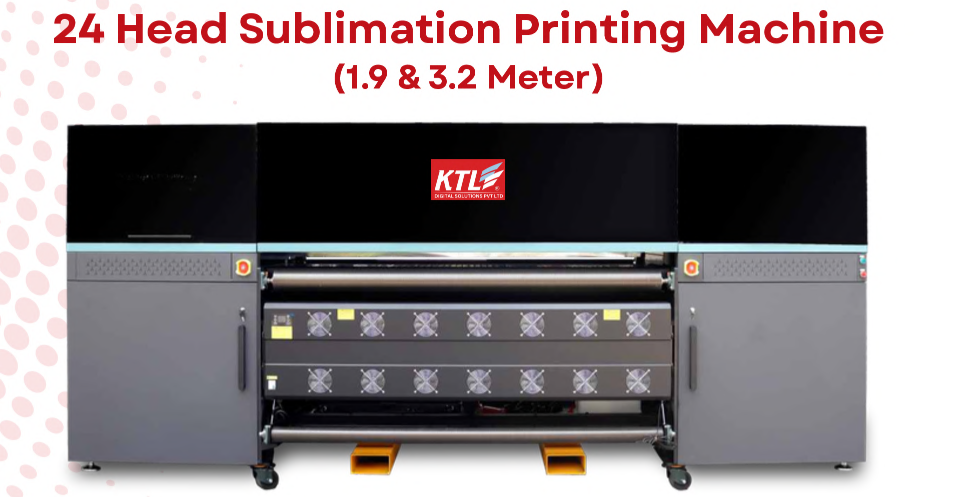
A 24-Head Sublimation Printer represents the upper tier of high-volume industrial textile production. Instead of relying on smaller desktop or entry-level commercial frameworks, these wide-format systems use extensive printhead arrays to achieve massive daily throughput.When scaling to a 24-head setup for sublimation (dye-sub paper printing), industrial manufacturers utilize two primary printhead architectures:1. The High-Speed Standard: Epson i3200-A1 / S3200 ConfigurationMany dominant high-speed sublimation printers, such as the Fedar FD1924S or Fedar FD2624E, line up 24 distinct Epson i3200-A1 or S3200 printheads in a multi-row staggered matrix.Throughput Speeds: Reaches a staggering maximum speed of up to 960 to 1,100 square metres per hour in single-pass normal mode. High-precision multi-pass configurations scale down to roughly 480 m²/h.Production Capability: An industrial 24-head setup easily yields 400 to 820 linear metres of sublimation paper per hour, satisfying continuous 24/7 factory operations.Physical Scale: These heavy-duty industrial builds weigh roughly 1,650 kg and carry a physical machine footprint exceeding 4.5 metres in length.2. The Heavy Industrial Build: Ricoh Gen6 (MH5320) ConfigurationWhen configured specifically with a 24-head Ricoh Gen6 layout, the system prioritizes extreme long-term mechanical durability and thick-film ink output over the lighter Epson frames:Frequency Advantage: Operates at a 50kHz drive frequency, deploying up to 4 levels of grayscale (5pl to 15pl–35pl droplets) to produce smooth gradients on sportswear and fashion apparel without losing fine details.Mechanical Resilience: Unlike delicate consumer heads, Ricoh Gen6 heads feature isolated stainless steel internal ink paths. This structure resists the abrasiveness of high-density sublimation pigments, significantly extending the operational lifespan of the head matrix.Critical System Requirements for a 24-Head SetupManaging 24 independent industrial printheads requires specialized heavy hardware infrastructure to prevent production bottlenecks:High-Volume Air Filtration & Drying: Because the printer jets ink at speeds up to 1,100 m²/h, a high-capacity Infrared (IR) intelligent heating dryer paired with a vacuum suction fan system is required. This setup dries the sublimation paper instantly before the active roll-up mechanism winds it.Advanced Degassing & Supply: Features automated negative pressure ink systems with continuous degassing. This setup extracts microscopic air bubbles from the ink line to prevent nozzle deflections or firing dropouts at high frequencies.Heavy Duty Media Handling: Industrial uncoiling/coiling shafts support heavy, high